China fails in attempt at soybean self-sufficiency
2/16/2026
Observers say the country doesn’t worry about self-sufficiency as much as it once did due to rise of Brazil as a supplier
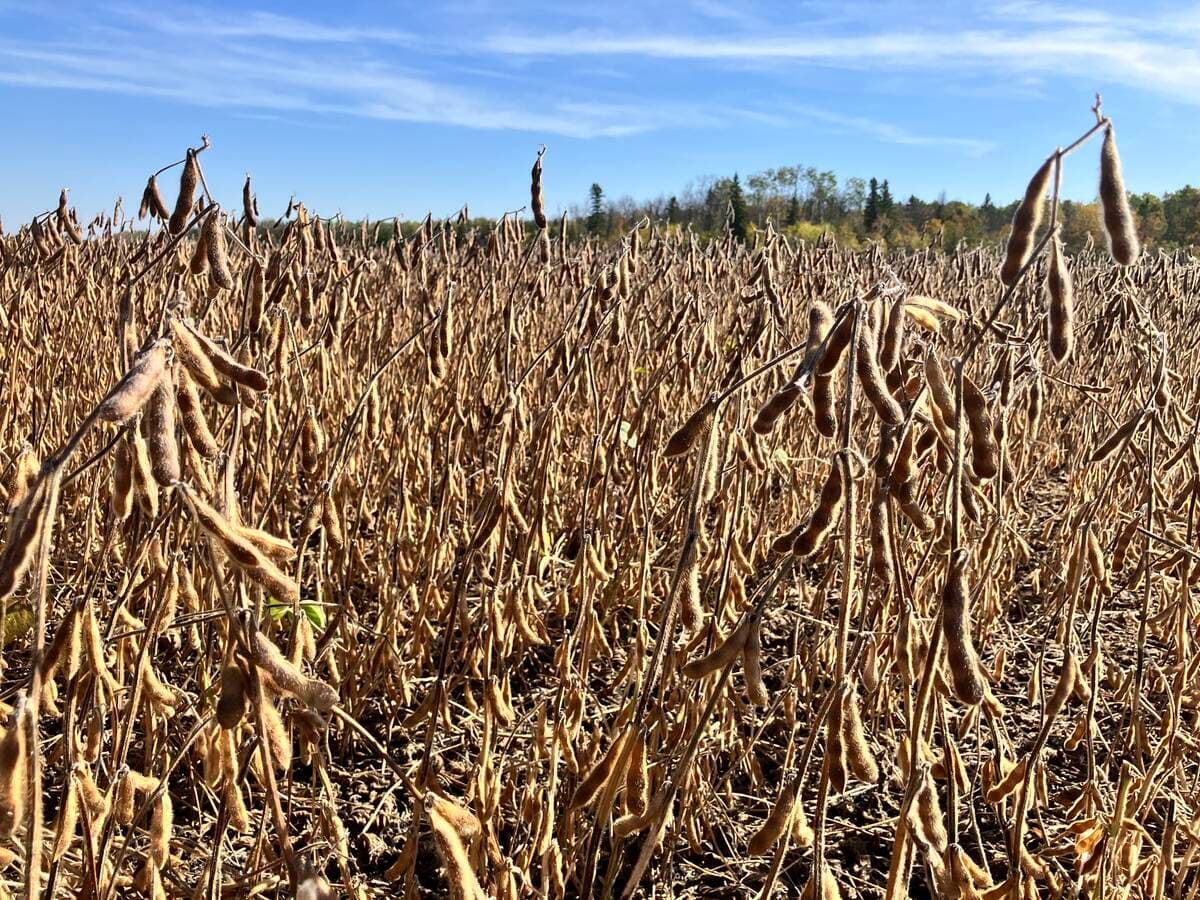
China harvested 18.09 million tonnes of soybeans in 2019 and imported 88.5 million tonnes that year, for a self-sufficiency rate of 17 per cent. In 2025, it grew 20.91 million tonnes and imported 108 million tonnes, for a self-sufficiency rate of 16.2 per cent.
SASKATOON — China’s attempts to become more self-sufficient in soybean production are not working, but the government does not care anymore, says an analyst.
Retired U.S. Department of Agriculture economist Fred Gale said China has given up on the idea now that it has the upper hand over the United States in the soybean trade war.
Brazil’s “bottomless” soybean supplies have eased the pressure on China to produce more of the oilseed to become less reliant on U.S. supplies.
“The barrage of Chinese articles about finding soymeal substitutes, low protein animal diets, corn-soy intercropping, etc., has quietly faded from Chinese media,” Gale said in one of his recent Dim Sums blogs.
Why it Matters: China’s imports drive the soybean market, which influences canola prices.
Those strategies were part of China’s soybean revitalization plan announced in China’s Number 1 Document in 2019 at the height of the first U.S.-China trade war.
The plan, which was endorsed by Chinese president Xi Jinping, does not appear to have worked.
China harvested 18.09 million tonnes of soybeans in 2019 and imported 88.5 million tonnes that year, for a self-sufficiency rate of 17 per cent.
In 2025, the country grew 20.91 million tonnes and imported 108 million tonnes, for a self-sufficiency rate of 16.2 per cent.
“It seems unlikely that self-sufficiency will ever reach even 20 per cent,” said Gale.
Rich Nelson, chief strategist with Allendale Inc., said the pressure to produce is also subsiding because of changing market dynamics in the world’s biggest soybean market.
“They’re probably past the big annual gains for soybean needs,” he said.
Consumption is growing by three to five million tonnes a year, down from five to nine million tonnes 10 years ago.
China’s population has peaked and is now contracting, while there has been a slowdown in consumer wage gains the past few years. That is reducing the need for gains in pork production.
Chinese leaders are no longer overly concerned about the country’s faltering attempts at improving soybean self-sufficiency, said Gale.
That is because 82 million tonnes of the 2025 imports were supplied by Brazil, which meant China was able to shut down imports from the U.S. for most of the year during the second trade war between the two countries.
Nelson said the U.S. is content to share the Chinese market with Brazil as long as the country is buying some U.S. beans.
China has already met its promise to purchase 12 million tonnes of U.S. soybeans in 2025.
The country has also committed to buy at least 25 million tonnes of U.S. soybeans annually in 2026, 2027 and 2028.
That would represent about 22 per cent of the country’s total annual imports.
Nelson said China will meet its commitments, paying a little more for its soybean imports in exchange for a better trading relationship with the U.S.
“I think that’s kind of set in stone,” he said.
In the meantime, the country will continue to prop up its own soybean farmers.
Gale noted that a Chinese scholar recently acknowledged that the country’s farmers are unable to find commercial markets for the 21 million tonnes of soybeans they produced this year.
China produces high protein soybeans suitable for food products such as tofu and soy milk. The annual demand for food grade soybeans is about 16 million tonnes.
The government buys the surplus Chinese soybeans and stores them to keep domestic prices from cratering.
Gale said China spends about US$3 billion annually on soybean subsidies to keep production above 20 million tonnes.